Posted by zjdfjx zjdfjx
Filed in Other 7 views
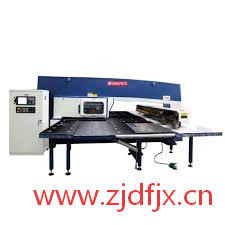
Selecting a CNC Punching Machine Supplier requires more than price comparison. Zjdfjx understands this reality. A factory's punching precision directly affects product consistency, material waste, and production speed. How can any buyer verify machine quality without hands-on testing?
Physical inspection forms the first verification layer. Serious manufacturers allow visitors to examine frame construction, guide rail alignment, and turret indexing mechanisms. Cast iron frames should show uniform thickness without visible porosity. Linear guideways must move smoothly across full travel distance. Turret rotation needs silent indexing with positive locking feel. These physical characteristics separate professional equipment from cosmetic assemblies.
Material testing provides objective performance data. Request a trial run using your own metal sheets. Observe hole roundness, edge burr height, and positional accuracy across multiple hits. Punching a hundred holes in a pattern reveals consistent precision or hidden flaws. A stable machine produces identical hole diameters from first to final stroke. Any diameter variation exceeding 0.1mm suggests mechanical looseness or control instability.
Operational noise discloses internal condition. Well-maintained punching presses generate rhythmic, low-frequency sounds during cycling. Irregular clanking, grinding tones, or variable pitch noises indicate worn bearings, loose fasteners, or misaligned components. Run the machine at its rated speed while standing near the working area. Your ears often detect problems before instruments measure them.
Tonnage consistency testing confirms hydraulic or mechanical integrity. A reputable supplier demonstrates pressure stability across continuous operation. Monitor punching depth on stacked metal layers. Depth variation among consecutive strokes signals pressure loss or valve timing errors. Consistent depth means reliable punching for production batches.
Tooling condition reflects maintenance culture. Examine punch tips and die edges under good lighting. Sharp, polished tools indicate proper storage and handling. Chipped, rounded, or rusted tool edges predict poor hole quality and premature machine wear. Ask to see tool change procedure. Smooth tool exchange shows thoughtful machine design and operator training.
Control system responsiveness matters for complex patterns. Load a program with varied hole sizes and positions. Watch how quickly the carriage positions each hole. Jerky movements or positioning delays increase cycle time. Precision positioning requires servo systems that accelerate and decelerate smoothly. Test emergency stop response. A clean halt without axis drift demonstrates proper control tuning.
Past installation records reveal field performance. Request maintenance logs from existing customers. Frequent hydraulic pump replacements, recurring sensor failures, or annual turret realignments suggest design flaws. Stable equipment shows only scheduled lubrication and consumable part changes in its service history.
Spare parts availability affects long-term ownership. Ask about common wear items like punch guides, stripper plates, and timing belts. Immediate availability from local stock prevents production stoppages. Suppliers without parts inventory force expensive rush shipping or extended downtime.
Customer references provide real-world validation. Speak with current users about daily operation experience. Ask about accuracy retention after two shifts of continuous use. Query about technical support response times for troubleshooting. A satisfied customer describes consistent output, not exceptional performance.
Return to the core question: how does any manufacturer verify punching machine quality without physical access? The answer requires visiting shortlisted suppliers. Remote evaluation through videos or certificates never substitutes for on-site inspection. Bring your own material, run your own test program, and measure results personally.
For detailed equipment specifications and model comparisons, visit https://www.zjdfjx.cn/product/. This resource lists machine capacities, control options, and application examples. Review this information before scheduling physical inspections. Your verification process transforms uncertainty into documented capability.
